Checklist download
Buying a House in the Netherlands Checklist
Use the Netherlands home buying checklist to prepare before viewings, before you bid and after your offer is accepted.
It turns the Dutch buying process into practical checks for buyer documents, timing, offer conditions, valuation, mortgage steps, notary transfer and the first days after keys. For quick Dutch mortgage estimates, use Orange Fox. For local valuation questions in and around Eindhoven, use Cheetah Valuations.
Checklist stages
- 1
Before you start searching
- 2
Before you book viewings
- 3
Before you make an offer
- 4
After your offer is accepted
- 5
Before signing and notary transfer
- 6
After you get the keys
Inside the checklist
A checklist organized by the moment you need it
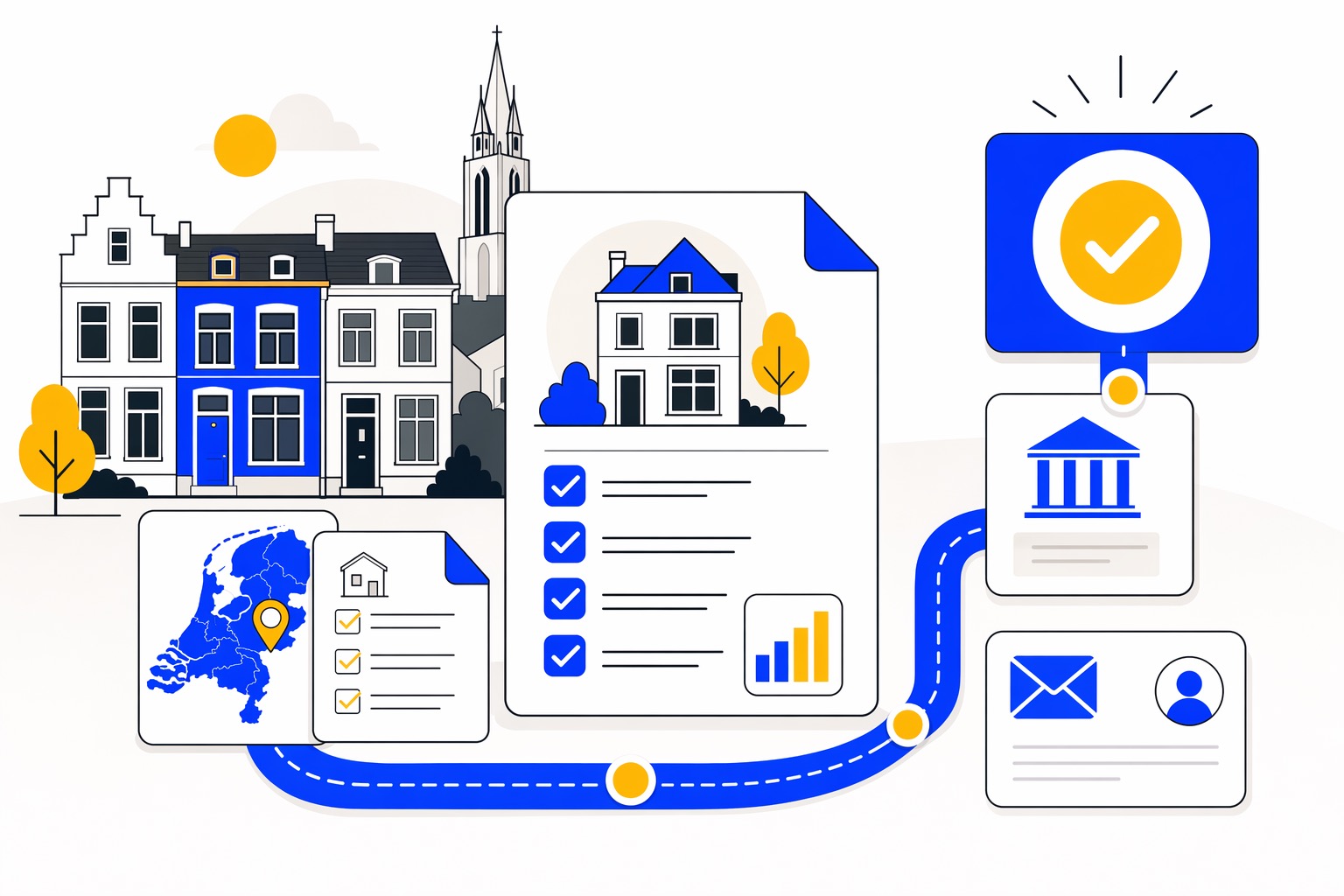
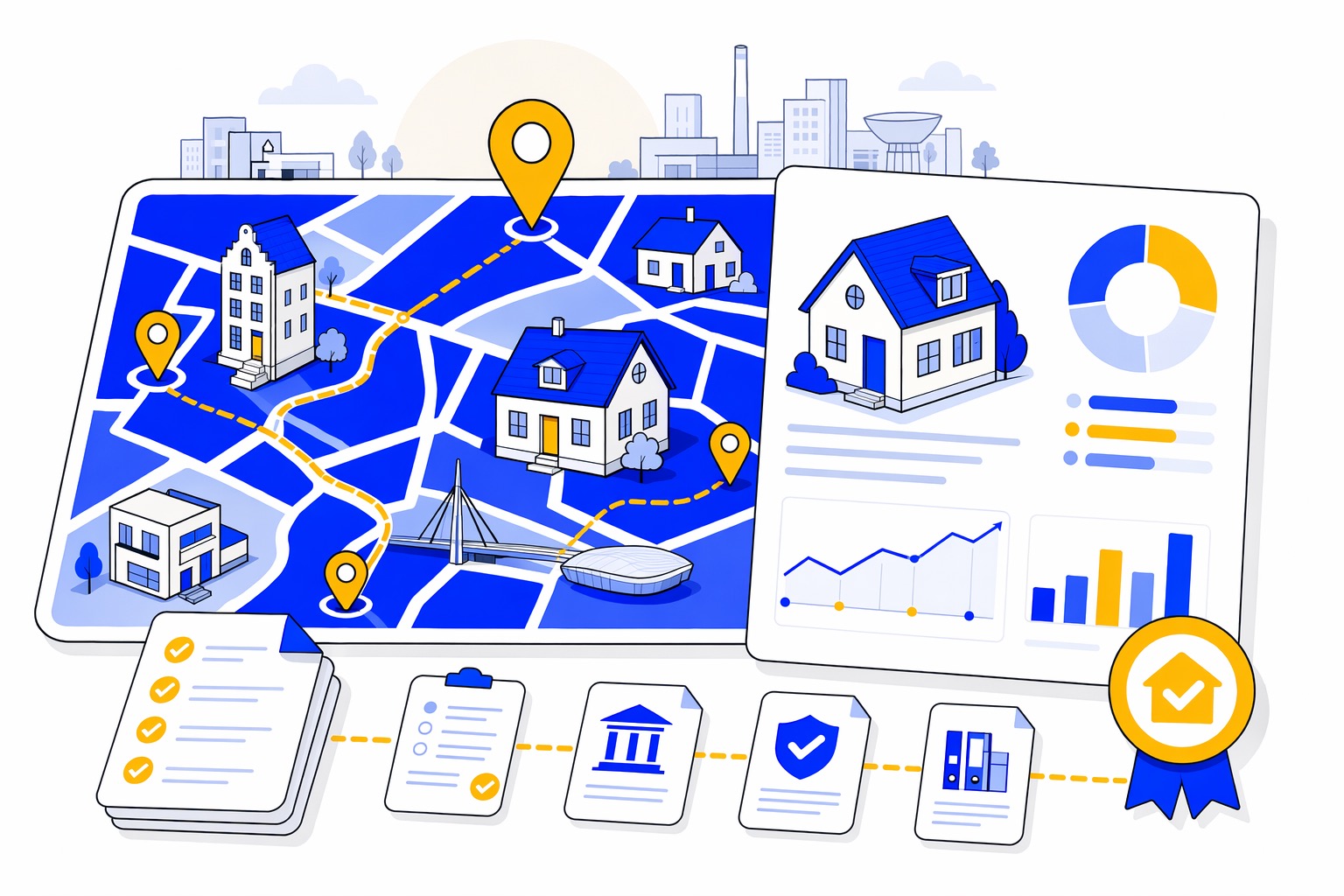
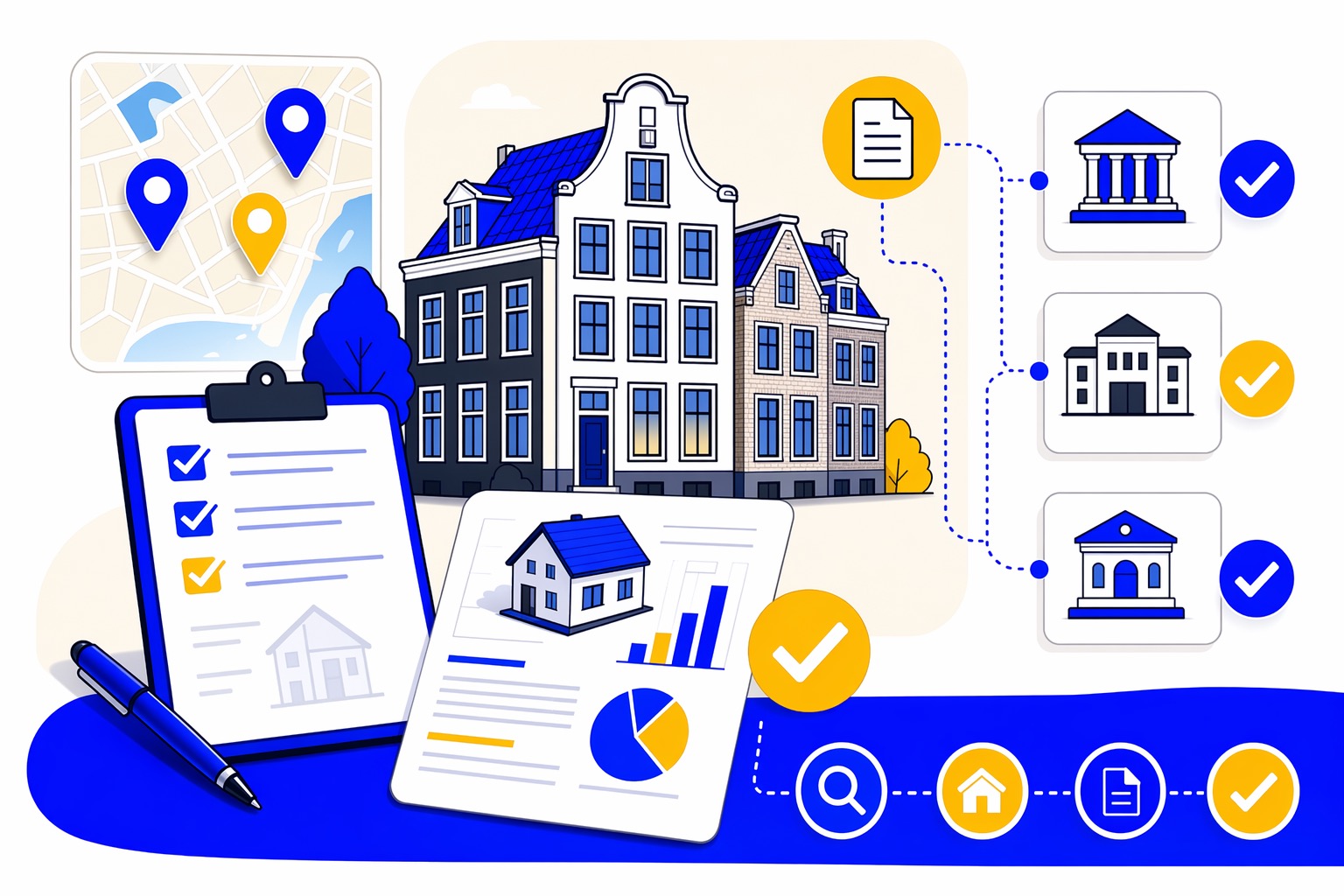
The checklist is structured by stage, so you can use only the part that matches your situation now and come back when the process moves forward.
Before search
Budget, savings buffer, mortgage plan and document preparation.
Before viewings
Questions to ask, property details to check and listing context to compare.
Before an offer
Maximum price, offer conditions, transfer timing and inspection decisions.
After acceptance
Purchase agreement, deadlines, valuation and mortgage document steps.
Before transfer
Notary preparation, money flow, final checks and key handover timing.
After keys
First admin steps after the home becomes yours.
Preview
What you will check
How to use it
Turn the checklist into a buyer decision file
The checklist works best when every item has a status: done, missing, not relevant, adviser needed or deadline-sensitive. That status is what keeps a search from becoming a pile of loose notes.
Before you start searching
Write your comfortable monthly budget, your maximum purchase price, your cash buffer and the documents you already have. A home search becomes safer when you know the limit before a viewing feels exciting.
For mortgage estimate questions, use Orange Fox, then confirm the actual lender requirements with a mortgage adviser. The checklist should show the difference between a rough estimate and a file that is ready for an accepted offer.
Before viewings
For each property, add the listing, asking price, ownership type, energy label, VvE status where relevant, leasehold question where relevant and the viewing questions you need answered. A viewing is not only about whether you like the home. It is also a chance to collect evidence.
- Which document is missing?
- Which defect would change the price?
- Which question needs a professional answer?
- Which answer must be known before bidding?
Before making an offer
This is where the checklist earns its place. The buyer should know the maximum bid, the cash gap if valuation is lower, the conditions to discuss, the transfer date, the deposit or bank guarantee timing and whether inspection is needed.
For valuation questions, use Cheetah Valuations where a local valuation service fits the property need. For national process questions, keep the offer guide, valuation guide and mortgage readiness page open beside this checklist.
After your offer is accepted
The checklist should become a deadline tracker. Add the date for the cooling-off period where applicable, purchase agreement signing, valuation, mortgage documents, financing condition, deposit or bank guarantee, notary invoice, final inspection and transfer.
When a deadline is close, do not keep the issue as a general worry. Write the owner of the answer next to it: buyer, seller, mortgage adviser, notary, inspector, valuer, VvE manager or municipality.
Before transfer and after keys
Before transfer, the checklist should cover funds to the notary, final inspection, meter readings, keys, agreed repairs, insurance and handover documents. After keys, it should move to utilities, municipal registration where relevant, VvE contact, maintenance priorities and first safety checks.
The best checklist is not the longest one. It is the one that shows what needs action before the next date on the calendar.
How to keep the checklist from becoming busywork
The checklist should not become a long list of tasks that nobody owns. For every item, write the person who can answer it, the document that proves it and the date by which you need the answer. If you cannot name those three things, the item is still a risk, not a completed check.
Use three labels while you work: ready, waiting and decision needed. Ready means the document is saved and the answer is clear. Waiting means you know who owes the answer and by when. Decision needed means the answer could change your offer, condition wording, mortgage timing, valuation comfort, cash buffer or willingness to continue.
This is especially useful when several advisers are involved. A mortgage adviser may answer affordability, a notary may answer transfer wording, an inspector may answer building risk and a valuation specialist may answer value-related concerns. The checklist keeps those answers connected to the same purchase decision.
FAQ
When should I use the Netherlands home buying checklist?
Use it before viewings, before an offer, after acceptance, before transfer and after keys. The checklist is most useful when it turns a vague worry into a dated action.
Does the checklist replace a buyer consultation?
No. The checklist organises your own file. A buyer consultation helps when the situation, documents or deadline need a more specific decision.
What should I fill in before viewings?
Start with budget, savings buffer, mortgage estimate, must-have criteria, document needs and the questions you want answered during the viewing.
What should I check before making an offer?
Check maximum price, valuation risk, financing condition, inspection condition, transfer date, included items and any document that could change your decision.
How does the checklist help with mortgage readiness?
It keeps income proof, savings, debts, adviser questions and lender timing in one place. Use Orange Fox for calculator orientation and confirm details with a mortgage adviser.
How does the checklist help with valuation risk?
It reminds you to compare asking price, offer price, likely lender value, cash gap and property condition. Use Cheetah Valuations where a local valuation service fits the property need.
Should I use it for apartment purchases?
Yes. Add VvE minutes, service charges, reserve fund, MJOP, insurance, split deed and household rules to the shared-building part of the file.
Should expat buyers use a different checklist?
The buying steps are the same, but expat buyers should add residence context, employment proof, overseas savings trail, translations and adviser response times.
What belongs in the document section?
Add the listing, seller questionnaire, energy label, ownership information, inspection notes, mortgage documents, valuation messages, draft agreement and notary emails.
How often should I update the checklist?
Update it after each viewing, offer decision, adviser call, document request and deadline change. A stale checklist is just another note.
Can I use the checklist after my offer is accepted?
Yes. That is when deadlines become more important: cooling-off period, financing condition, inspection, valuation, mortgage offer, deposit or bank guarantee and notary transfer.
What should I check before signing the purchase agreement?
Check names, property address, price, transfer date, conditions, deposit timing, included items, special clauses and every deadline that affects your rights.
What should I check before transfer?
Check final inspection, meter readings, notary invoice, funds transfer, insurance, keys, agreed repairs and the documents needed for the handover.
What should I do after getting the keys?
Handle utilities, insurance, municipality, VvE contact if relevant, maintenance priorities, address changes and the first safety checks.
Can the checklist help me avoid overpaying?
It can help you slow the decision and keep valuation, cash buffer, repair cost and offer limit visible. It cannot decide the right price for you.
What if I miss an item?
Add it as soon as you notice. The point is not a perfect first draft; the point is a file that keeps improving before the deadline.
Should I share the checklist with advisers?
Yes, when it helps them answer faster. Share the relevant section with your mortgage adviser, notary, inspector, buying agent or valuation specialist.
Can I use the checklist for a new-build home?
Yes, but add new-build documents, staged payments, delivery checks, warranty questions and completion timing to the normal buying file.
Can I use the checklist for an older home?
Yes. Add roof, foundation, damp, asbestos, energy label, renovation, permit and inspection questions before the offer becomes serious.
What is the safest next step after downloading it?
Fill the first stage, mark every missing document, choose the next deadline and request a buyer consultation if the decision still feels unclear.
Get the checklist
Send me the checklist by email
Choose “Send me the home buying checklist” in the form. You can also choose “Both” if you want the checklist and a buyer consultation request.
We use your details only to respond to this request and, if selected, send the home buying checklist.
Need context?
Want help applying the checklist to your situation?
If you are already viewing properties, considering an offer or dealing with an accepted offer, a buyer consultation request may be more useful than reading another guide.