Buying A House As A Highly Skilled Migrant
Use this guide to prepare for buying a house in the Netherlands as a highly skilled migrant. Gather income proof, residence documents, savings, mortgage timing, valuation questions, notary steps and offer protection before you bid.

Summary: Use this guide to prepare for buying a house in the Netherlands as a highly skilled migrant. Gather income proof, residence documents, savings, mortgage timing, valuation questions, notary steps and offer protection before you bid.

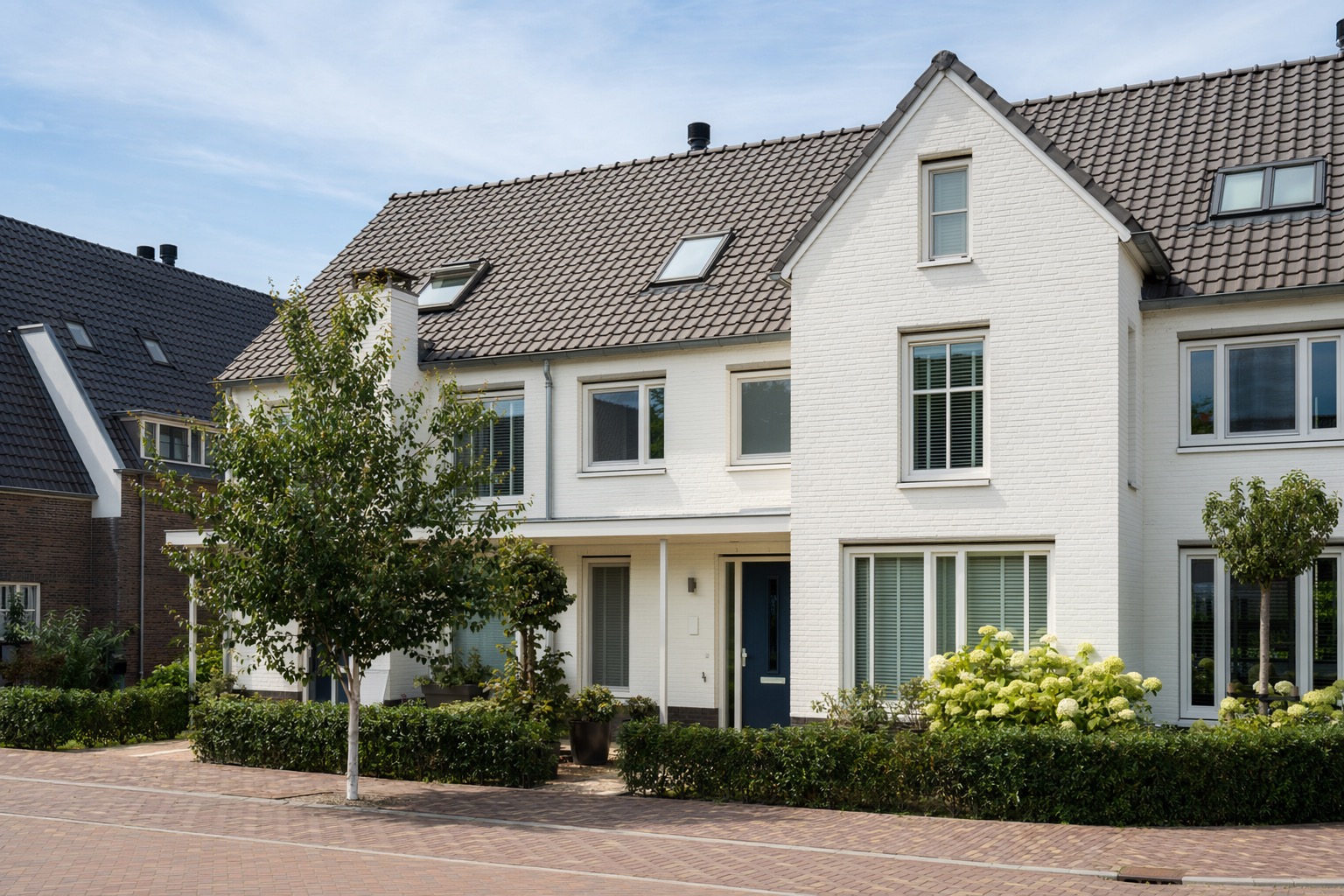
If you are a highly skilled migrant buying a house in the Netherlands, start with income evidence, residence status, savings trail, timeline and mortgage readiness. The buying steps are Dutch, but your buyer file may include cross-border details.
How The 30% Ruling Can Affect A Home Purchase
The Dutch 30% ruling can change an eligible expat’s income and mortgage discussion, but its duration and lender treatment matter. Use this short to frame questions before you set an offer budget.
Summary
Use this guide to prepare for buying a house in the Netherlands as a highly skilled migrant. Gather income proof, residence documents, savings, mortgage timing, valuation questions, notary steps and offer protection before you bid.
Why This Matters For The Buyer Decision
International buyers should keep Dutch buying steps and cross-border evidence in one file: income, residence status, savings history, translations, adviser answers and notary timing.
A Dutch purchase moves through viewings, offer pressure, document checks, mortgage approval, valuation, notary preparation and final inspection. A buyer who keeps those steps connected is less likely to sign first and discover the real question later.
Official Pages To Check First
Use official records and rule pages when the issue affects money, rights, permits, tax, residence status or shared-building decisions:
- Rijksoverheid home-buying checklist
- Rijksoverheid buyer costs
- Notaris.nl home buying information
- Kadaster ownership information
- IND residence permits
- IND highly skilled migrant
Buyer Checks Before You Commit
Use these checks before the next viewing, offer, signing, valuation, mortgage or notary deadline:
- Write the target budget, cash buffer and maximum monthly payment before comparing homes.
- Collect the listing, seller questionnaire, energy label, title information and visible defect notes in one buyer file.
- Separate facts from assumptions. A claim from a viewing only counts when a document, adviser or inspection confirms it.
- Check whether the issue affects price, valuation, mortgage approval, notary timing or your ability to live in the home comfortably.
- Decide before bidding which answer would make you pause, lower the offer, add a condition or walk away.
- Keep mortgage, valuation and notary deadlines visible so the buyer file does not drift after the offer is accepted.
- Use official pages for rule checks and qualified advisers for legal, mortgage, valuation, tax and technical decisions.
- For international buyers, keep residence status, income contracts, payslips, savings trail and translation needs ready early.
Documents To Prepare
Prepare the buyer file early. The exact list can change by property, lender, notary and adviser, but the first draft should be ready before the accepted-offer stage feels rushed.
- Listing, brochure and seller questionnaire;
- Energy label and visible energy-condition notes;
- Kadaster ownership or deed information where relevant;
- Purchase agreement draft, condition wording and notary instructions;
- Mortgage estimate, savings proof and lender document checklist;
- Valuation questions, recent comparable notes and local price concerns;
- Inspection notes, repair quotes and photos from each viewing;
- Final inspection checklist and transfer-day questions.
- Residence-permit context, employer statement, translated documents where needed and overseas savings trail;
Budget, Mortgage And Valuation Impact
The purchase only works when the price, monthly payment, transfer costs, renovation buffer and risk reserve fit together. A viewing can feel right while the numbers still fail.
For mortgage-calculator questions, use Orange Fox. For local valuation-service questions, use Cheetah Valuations when a local valuation supports the property decision.
A buyer should keep three numbers visible: the price they can afford, the price the lender or valuation may support, and the cash buffer needed after transfer. If those numbers disagree, the next step is advice, not optimism.
Risk Signals To Treat Seriously
The main risk is usually not that one document is missing. The bigger problem is that the buyer cannot explain what the missing document changes. A missing VvE minute, valuation question, permit check or income document matters because it can change price, timing or approval.
Treat each uncertain item as a decision point. If the answer is good, the buyer can continue with more confidence. If the answer is weak, the buyer can ask for advice, change the offer, tighten a condition or stop before costs increase.
Offer And Condition Planning
The offer should reflect what is already known and what still needs proof. If a risk is material, the buyer should ask whether price, condition wording, inspection timing, valuation timing or mortgage timing needs to change.
Do not wait for the notary stage to solve a decision that belongs before signing. The notary transfer is important, but it is not a substitute for buyer-side preparation.
Viewing Notes That Actually Help
Good viewing notes are specific. Instead of writing that the home looks fine, write what was checked, what was not visible, what the seller said, what document is needed and who should confirm the answer.
Photograph defects, meters, installations, windows, roof lines, storage, parking, shared spaces and any detail that could affect the budget. Then connect each photo to a question in the buyer file.
Decision Rules Before The Next Step
Set a rule before the emotional moment. The rule should say what happens if the answer is good, unclear or bad.
- Continue when the budget still works after realistic costs and a cash buffer.
- Pause when the answer depends on a document nobody can produce before the deadline.
- Ask for advice when the issue affects legal rights, mortgage approval, valuation or structural safety.
- Lower the offer when a confirmed issue creates real cost or resale risk.
- Walk away when the unknown is large, urgent and outside your budget or comfort level.
- For international buyers, pause when residence, income or savings proof will not be ready in time.
Buyer Consultation Preparation
A useful buyer consultation starts with the facts already in order. Bring the information that shows what you know, what you do not know and what decision is coming next.
- Bring the property link, asking price, intended offer range and the reason the home is on your shortlist.
- Bring your mortgage estimate, savings buffer, expected monthly payment and any adviser questions that are still open.
- Bring all documents already received, plus a list of documents still missing.
- Write the exact deadline for bidding, signing, financing, inspection, valuation or notary transfer.
- Mark which questions must be answered before you spend more money.
- Bring residence status, contract type, employer statement needs, payslips, savings trail and any overseas financial documents.
Related Pages
- Read Can Expats Buy A House In The Netherlands? and Mortgage Readiness For Dutch Home Buyers for closely related buyer decisions.
- Use the Netherlands home buying checklist to keep the full purchase file organised.
- Request a buyer consultation when you want help turning documents, risk and timing into a decision.
- For mortgage calculator questions, use Orange Fox.
FAQ
What is the first step for a highly skilled migrant buying a house in the Netherlands?
Start by writing the buyer decision it affects, then collect the document, adviser answer or official page that can confirm it.
Can a highly skilled migrant profile affect an offer?
It can, especially when the answer changes price, mortgage approval, valuation, inspection comfort, legal wording or transfer timing.
Should I discuss my highly skilled migrant status before signing?
Yes, if it changes money, ownership, permission, valuation, mortgage readiness or your ability to live in the home as planned.
Can my highly skilled migrant status affect valuation?
Yes, when the issue changes property value, marketability, risk or lender comfort. Use Cheetah Valuations when a local valuation supports the property decision.
Can my highly skilled migrant status affect mortgage readiness?
Sometimes. Use Orange Fox for a quick calculator estimate and ask a mortgage adviser which facts belong in the lender file.
Can expats buy property in the Netherlands?
Many international buyers can buy, but mortgage, residence status, income proof and document timing need early checking.
What extra documents do international buyers often need?
They may need residence context, employment proof, income history, savings trail, translated documents or overseas asset evidence.
What is the biggest buyer mistake here?
Treating an assumption as a fact because the viewing felt positive or the listing looked polished.
Which official pages should I use?
Use Rijksoverheid, Kadaster, Notaris.nl, Omgevingsloket, IND, RVO or VvE sources when the topic touches rules, records or documents.
What should I ask the seller?
Ask for the document, history, cost, permission or defect information that proves the claim made during the viewing.
What should I ask my adviser?
Ask what the issue changes for your bid, condition wording, mortgage file, valuation, notary timing or risk level.
When should I walk away?
Walk away when a material risk remains unclear, expensive, urgent and outside your budget or comfort level.
How does this fit into buying a house in the Netherlands?
This topic belongs inside the same buyer file as budget, mortgage readiness, valuation, offer terms, inspection and notary transfer.
Should I wait until after offer acceptance?
Not for major risks. If the issue could change your bid or protection, ask before the offer or before removing conditions.
Can Real Estate Minion decide for me?
No. Real Estate Minion helps organise the buyer decision. Legal, tax, mortgage, valuation and technical advice should come from qualified professionals.
What should I bring to a buyer consultation?
Bring the property link, asking price, document file, timeline, mortgage estimate, savings buffer and the exact question you need answered.
How do I keep the decision calm?
Use one list with evidence, owner, deadline, risk level and decision rule for every open question.
Does a low asking price remove risk?
No. A low price can still hide repair cost, valuation risk, mortgage limits, legal limits or weak resale comfort.
Does a good location remove risk?
No. Location helps, but condition, documents, ownership, mortgage and transfer details still matter.
Should I rely on verbal answers?
No. Ask for documents or adviser confirmation when the answer affects money, timing or legal comfort.